Welcome: a research studio

Eleutherodactylus Research Studio · Fall 2026

Tom Devitt

2026-08-24

This is not a lecture course

  • We spend 4 weeks building a shared toolkit: R, Quarto, GitHub, bioacoustics
  • Then 12 weeks doing real research on real, unpublished data
  • I am a collaborator and editor, not a lecturer
  • The deliverables leave the classroom: manuscripts and publications with your names on them

What we’re doing this semester

  • Four research teams, each working toward a publishable product
  • Plus one thing everyone does individually: an AmphibiaWeb species account — a citable publication with your name on it

Everything lives on the course site: https://ut-fri-biodiversity.github.io/eleuth-calls/

Eleutherodactylus 101

Frogs with no tadpole

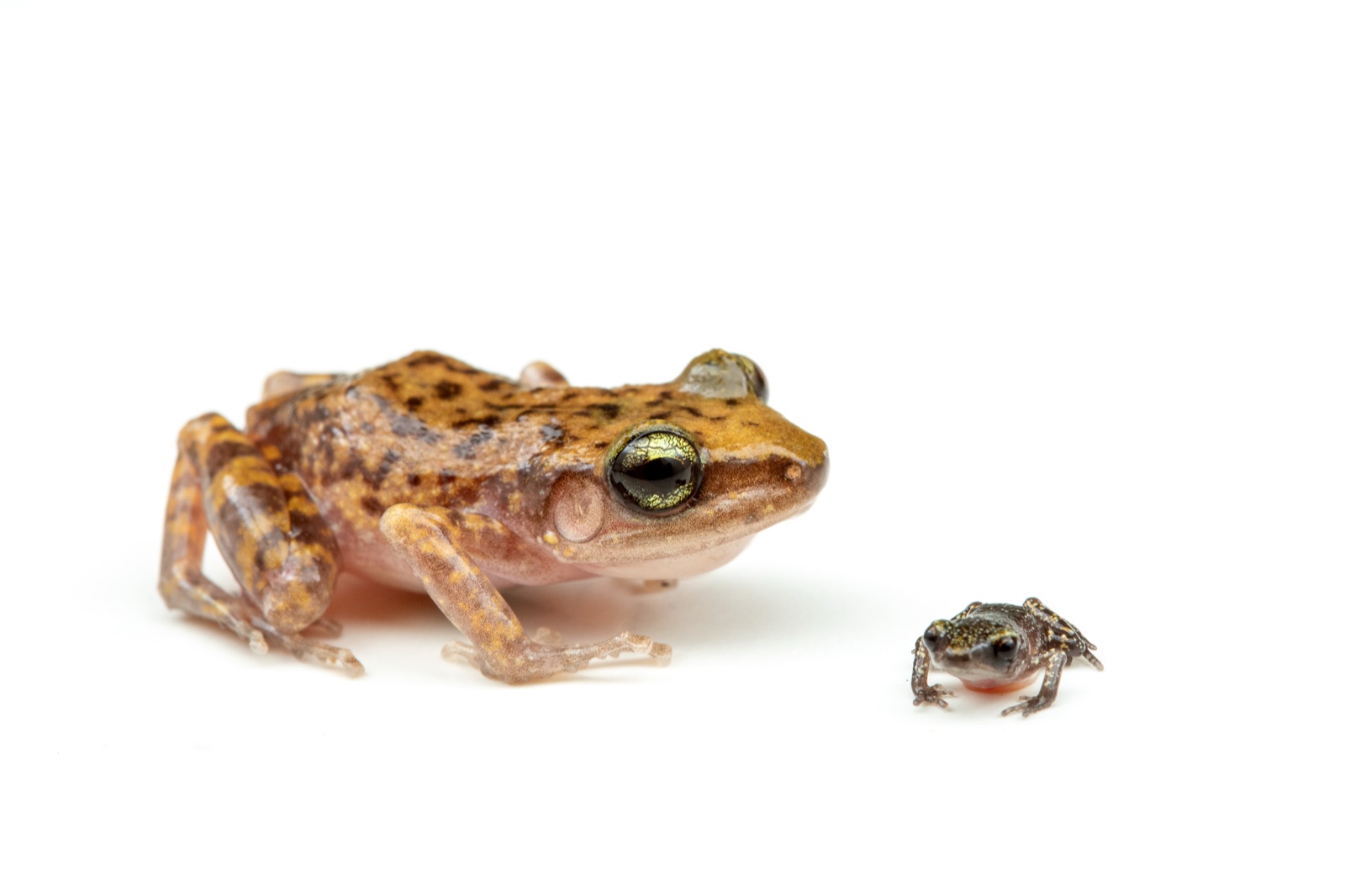
  • Direct development: eggs laid on land hatch into tiny, fully formed froglets — no pond, no tadpole stage
  • That freedom from water let them go everywhere: among the most ubiquitous and abundant amphibians in the Western Hemisphere — and the least well known
  • 1,300+ species, southern US to northern Argentina and throughout the West Indies
An adult cliff chirping frog facing the camera, orange-brown with dark blotches and large dark eyes, next to a froglet a fraction of its size: dark brown with pale flecks but already frog-shaped.

E. marnockii adult and fully formed froglet — no tadpole in between. Photo: Alex Wild

Once the largest vertebrate genus

  • Eleutherodactylus (sensu lato) was once the largest genus of vertebrates on Earth
  • Molecular phylogenetics split it into four geographic clades
  • Ours — Eleutherodactylus sensu stricto — spans the West Indies and mainland North America: Texas through Mexico into Guatemala and Belize
  • Two mainland clades: Atlantic versant (Syrrhophus) and Pacific versant (Tomodactylus)
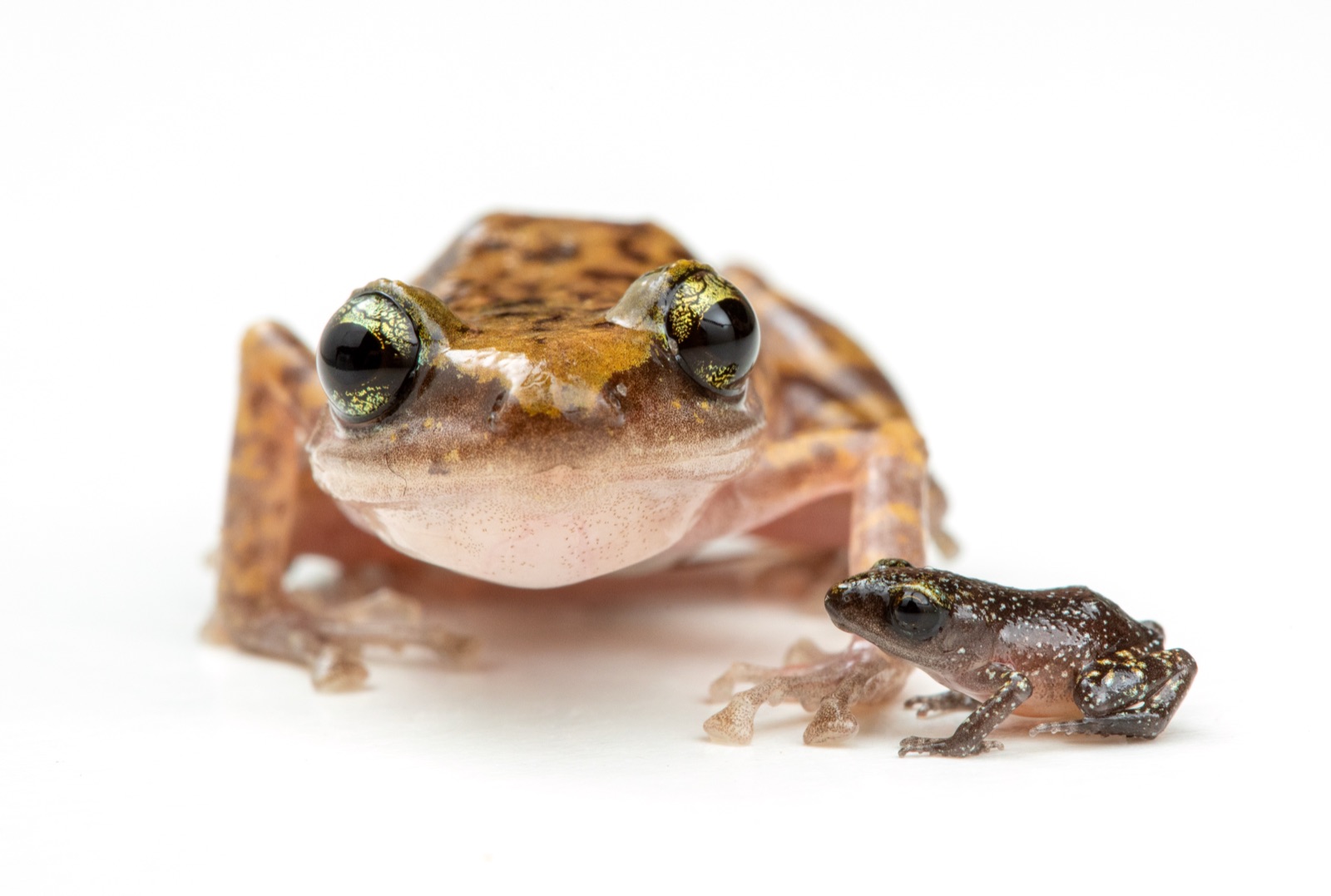
An adult cliff chirping frog in side view, orange-brown with dark spots and long thin toes, with a tiny dark froglet in front of it.

E. marnockii. Photo: Alex Wild

We are still discovering them

  • Tiny ranges (microendemism) + cryptic looks = diversity that taxonomy has badly underestimated
  • 16 new species described from Mexico since 2015
  • Our lab’s work finds evidence for at least 11 more — nine described in a paper in the works right now, including an Oaxacan species one of our teams will work on
  • When frogs all look alike, the call is often the character that tells species apart — that’s why this class exists
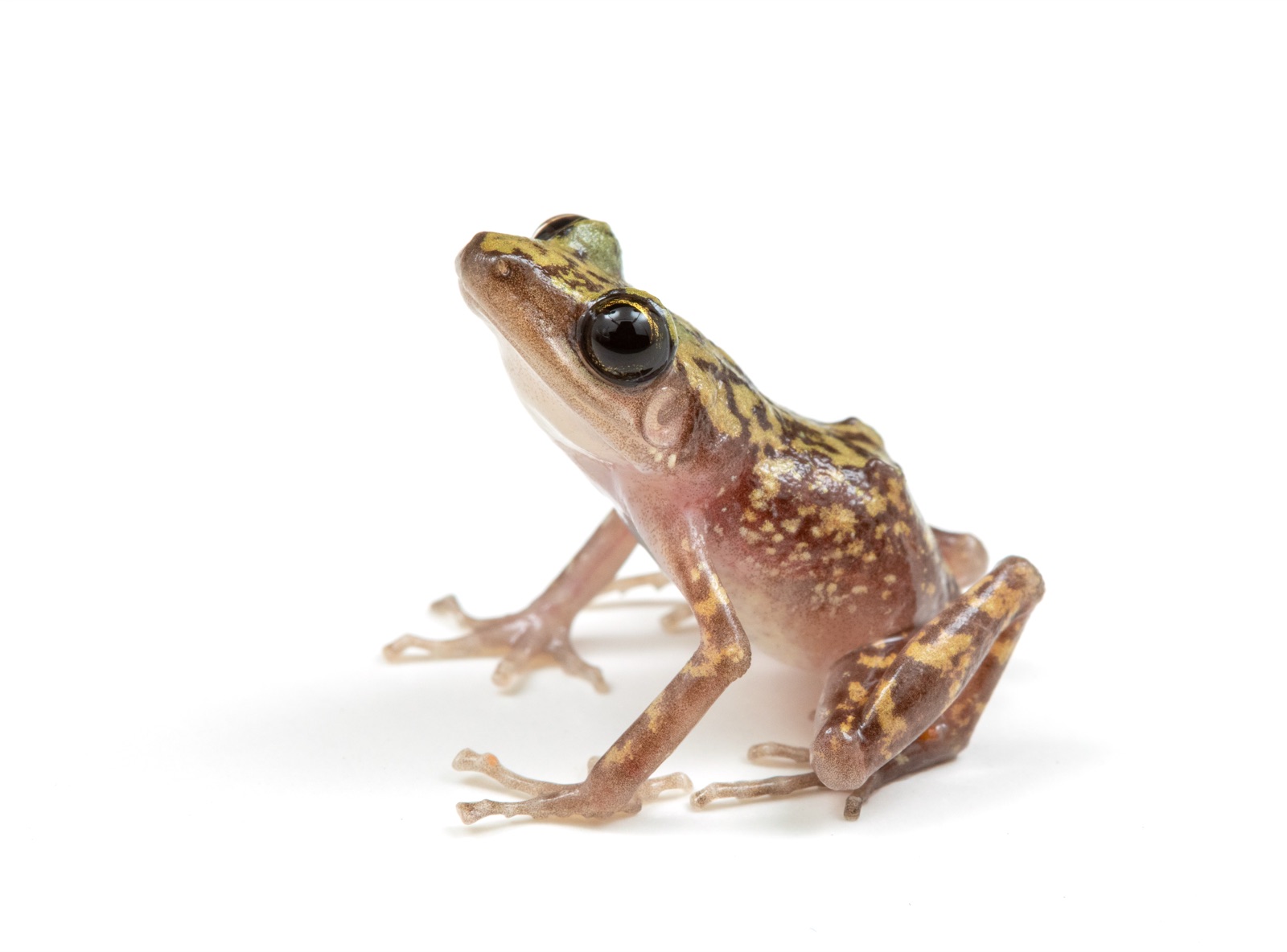
Cliff chirping frog, Eleutherodactylus marnockii, on a white background: mottled brown and olive back, large dark eye, long thin toes.

E. marnockii. Photo: Alex Wild

The sampling behind the science

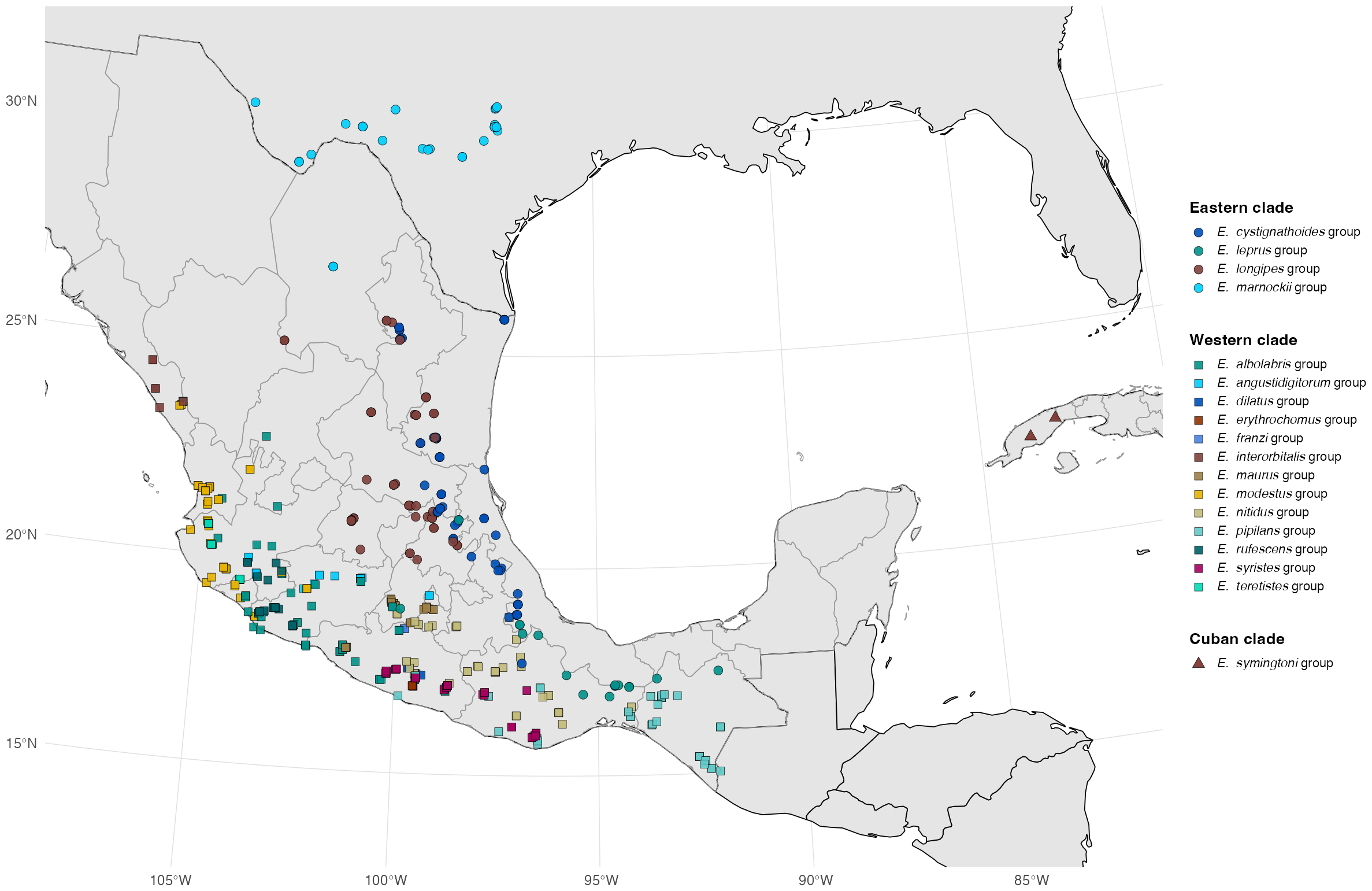
Map of Mexico, south Texas, and Cuba with a few hundred colored points, one per sampled population. Colors mark species groups in the western, eastern, and Cuban clades. Points cover most of Mexico, densest along the Pacific coast and the central and southern mountains, with marnockii-group points across central Texas.

Topotypic populations for most Mexican species — your teams’ groups (nitidus, albolabris, pipilans, dilatus, maurus, marnockii) are all on this map

What they sound like

The Cliff Chirping Frog

Eleutherodactylus marnockii

  • Limestone country of central Texas — including Brackenridge Field Lab, 10 minutes from this room
  • Jameson (1954) described its social structure — but what does that look like acoustically? Nobody knows.
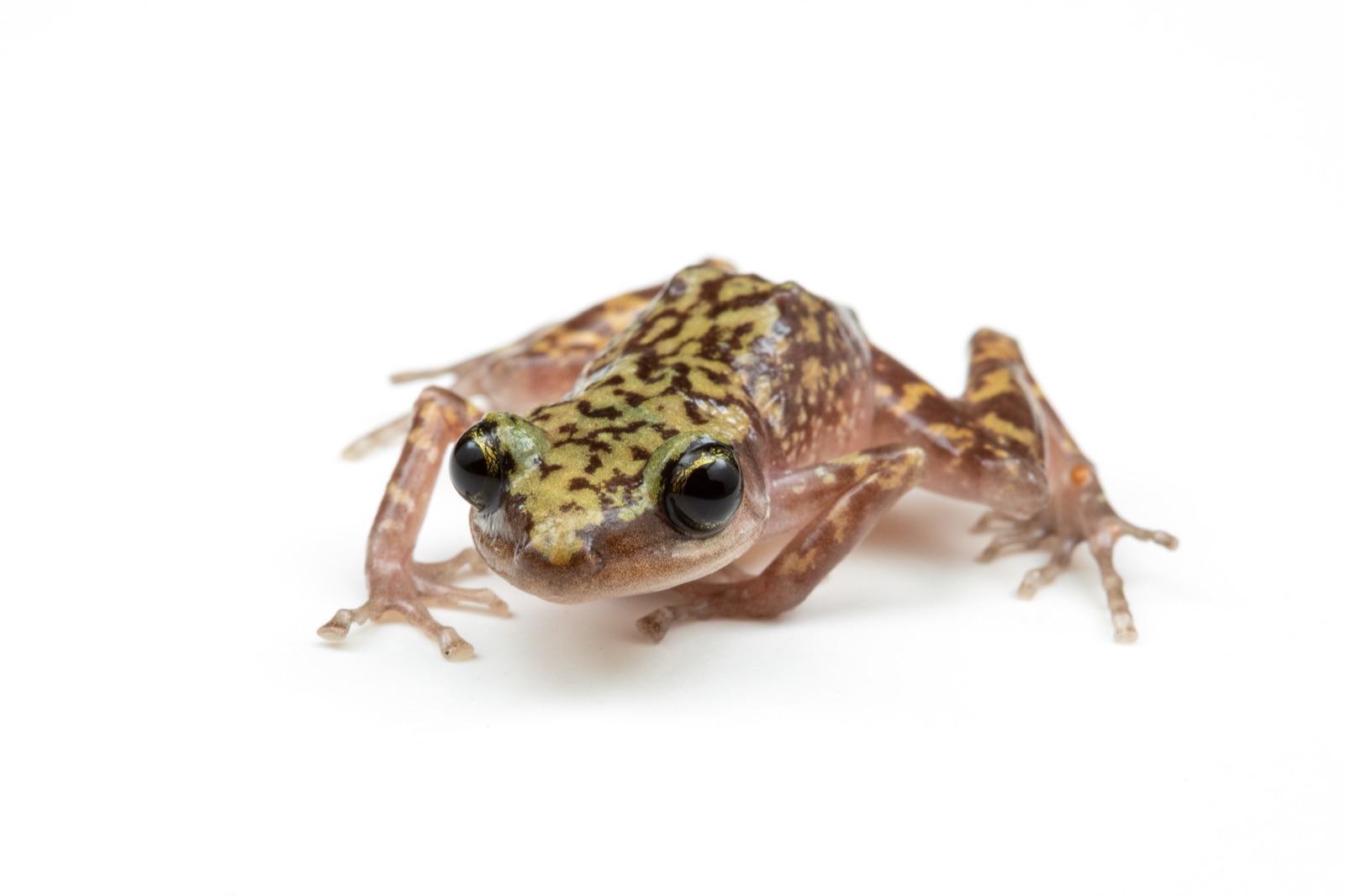
A cliff chirping frog facing the camera, its back marbled green-yellow and dark brown, pinkish legs with dark bands, large black eyes.

E. marnockii. Photo: Alex Wild

The gap we’re filling

  • No formal acoustic description of E. marnockii exists in the published literature
  • The same is true for many Mexican relatives — species known to science, calls never described
  • We have the recordings. Nobody has done the work. That’s the project.

This is what you’ll be describing

The data

  • Passive acoustic monitoring (PAM): AudioMoth recorders at BFL running continuously
  • Handheld field recordings of Mexican species — unpublished, from museum-vouchered animals
  • Audio lives on the EDU Pod server (it’s big); analysis code lives on GitHub

The four teams

Team 1: PAM / E. marnockii (~7 people)

  • When do cliff chirpers call, and what predicts it?
  • Detection data + weather covariates → calling phenology
  • Also owns the E. marnockii call description

Product: analysis + figures feeding the ongoing BFL manuscript, plus the call description

Team 2: nitidus complex (~6 people)

  • Geographic variation in advertisement calls across Puebla, Guerrero, and Oaxaca

Product: a near-submittable manuscript on call variation across the complex

Teams 3 & 4: multi-species call descriptions

Guerrero / Morelos (~5)

E. albolabris E. pipilans E. dilatus E. maurus

Oaxaca (~5)

An undescribed species and neighbors

Product: near-submittable manuscripts describing these species’ calls

How teams work

  • Four named roles on every team: data steward, literature lead, measurement lead, writing lead
  • A role means you own that domain — not that you do it alone
  • Optional role rotation at mid-semester
  • Details: Teams page

Individual: AmphibiaWeb species account

  • Claim one Mexican Eleutherodactylus species that has no account
  • Research, write, and submit it to AmphibiaWeb — a real, citable contribution
  • Claimed by Wed Sep 2 · full draft Oct 21 · second draft Nov 18 · final Nov 30

How this course runs

The rhythm

Phase Weeks What happens
Bootcamp 1–4 Short lectures + hands-on worksheets
Data 5–9 Studio: micro-lessons Mondays, work sessions Wednesdays
Analysis & writing 10–14 Figures, drafts
Revision & delivery 15–16 Final presentations; deliverables shipped

Grading

Component Weight
Team milestones 30%
AmphibiaWeb account (individual) 20%
Participation & stand-ups 15%
Final product & presentation 35%

Evaluations (peer + self + course) at mid-semester and finals — see the Evaluations page

This week

  • Wednesday: bring a laptop — we meet R, RStudio, Quarto, and GitHub on the CNS EDU Pod, and everyone renders a Quarto doc to PDF and submits it to Canvas
  • Team preferences due Mon Aug 31 (form/instructions on the site)
  • Team assignments announced end of week 2, based on preferences + the recording inventory
  • Start thinking about which AmphibiaWeb species you want — claiming closes Wed Sep 2

Everything is on the site

https://ut-fri-biodiversity.github.io/eleuth-calls/

  • Schedule · Projects · Teams · Evaluations · Resources
  • Bookmark it; it is the syllabus

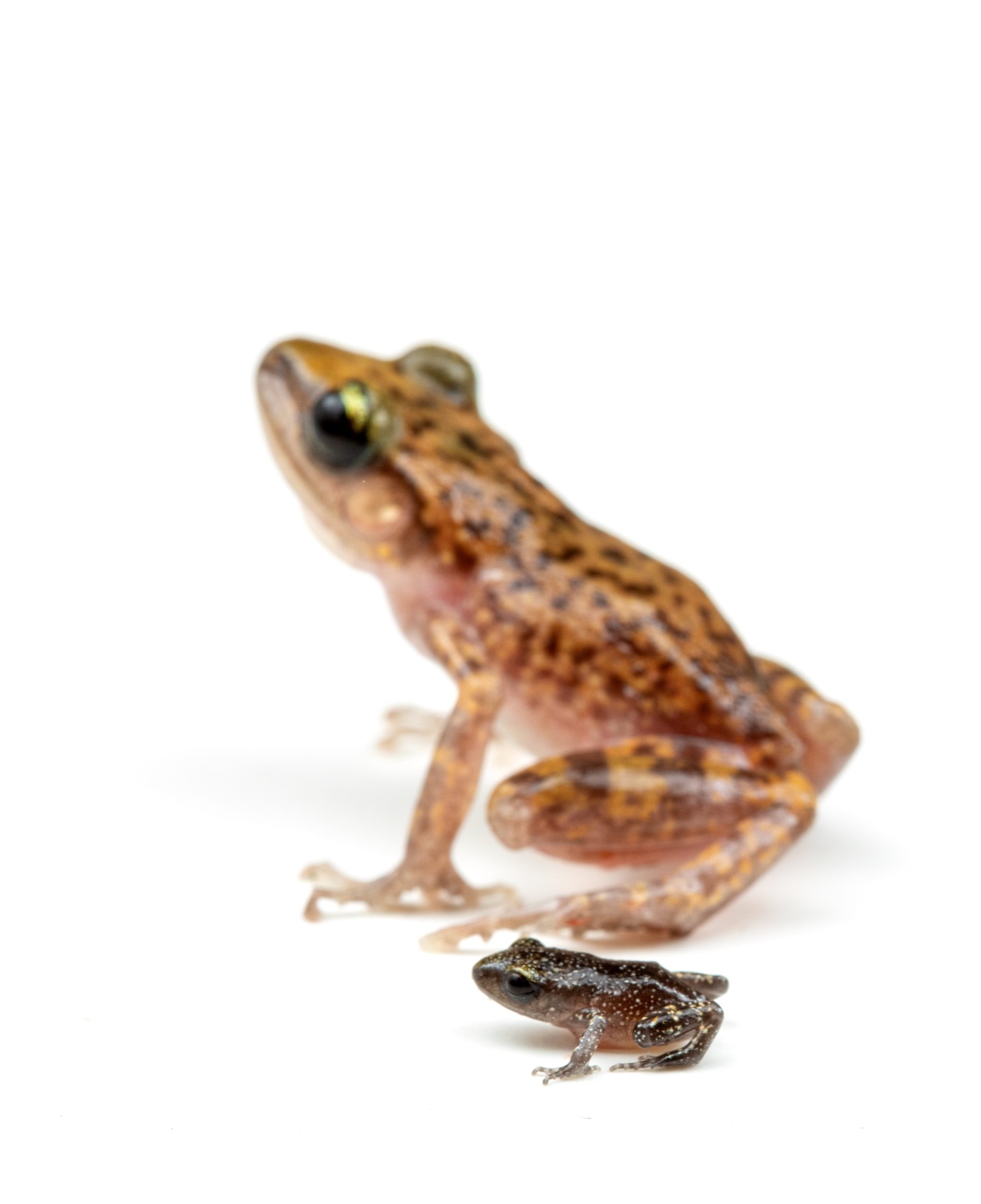
An adult cliff chirping frog in side view, orange-brown with dark spots, beside a froglet about the size of its eye.

E. marnockii. Photo: Alex Wild

Questions?

Alt text added with Claude Code (Claude Opus 5.5, Anthropic).